
Plenty of us have started a journal in January and found it in a drawer in March, three pages in. No judgment here. A gratitude journal is easier to stick with than most. You don’t have to write pages, and you don’t have to be a writer. You just notice a few good things and jot them down before they slip away.
Here’s how to start one, what to write when nothing comes to mind, and how to keep going after you miss a week (because you will, and that’s okay).
Does It Really Help?
Gratitude journals have been studied more than you might expect. In a well-known 2003 study, psychologists Robert Emmons and Michael McCullough asked people to write down up to five things they were grateful for, once a week, for ten weeks. Compared with a group that wrote about hassles, the gratitude writers felt better about their lives as a whole and more hopeful about the week ahead.
The effects weren’t magic, and they weren’t huge. But for a few minutes a week and a pen, that’s a pretty good deal. (The Greater Good Science Center at UC Berkeley has a good summary of the research if you want to dig in.)
What You Need
A notebook and a pen. That’s really it.
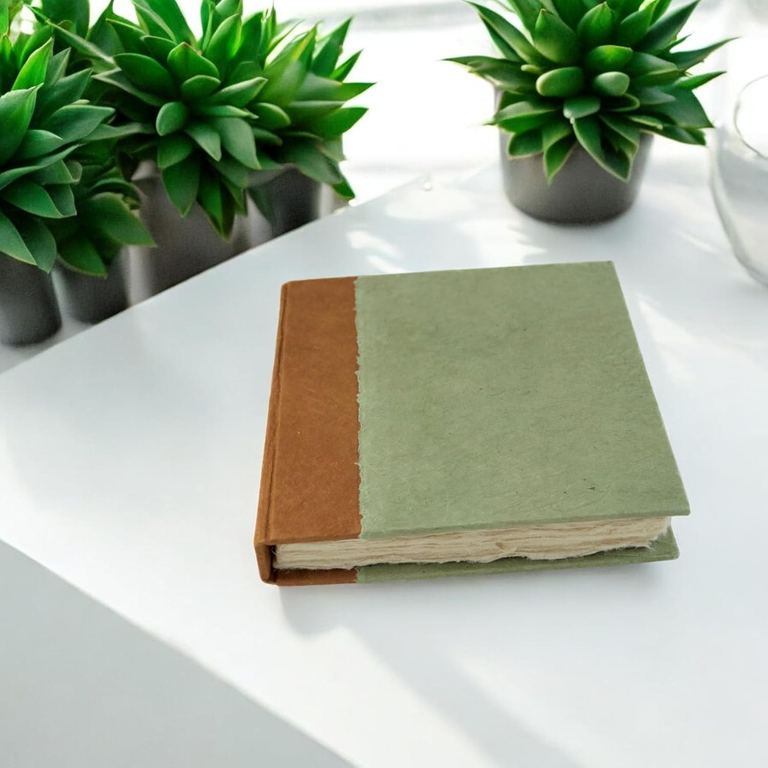
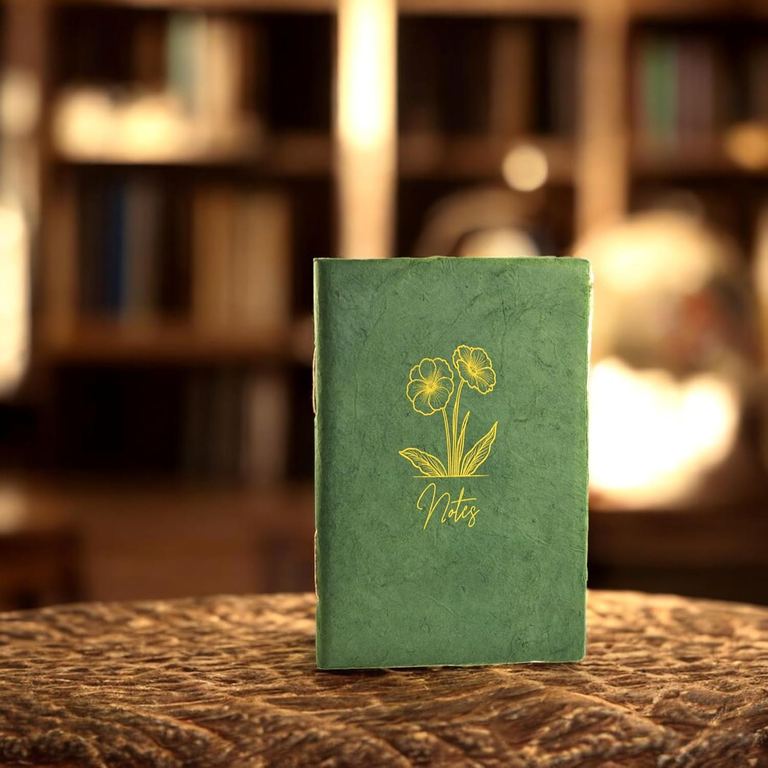
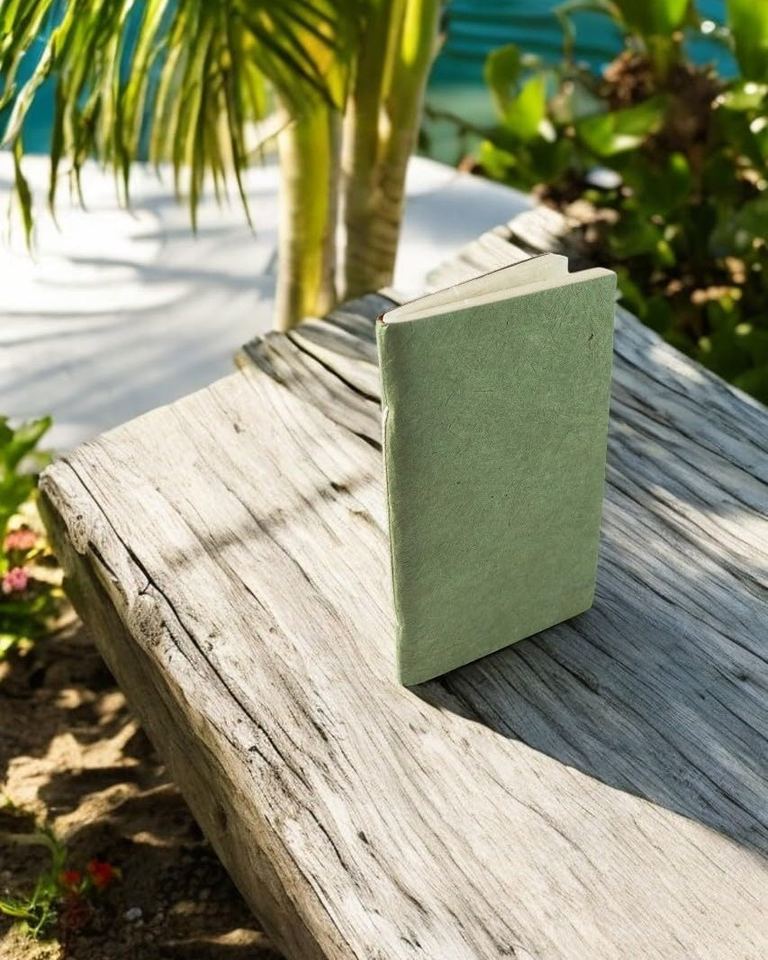
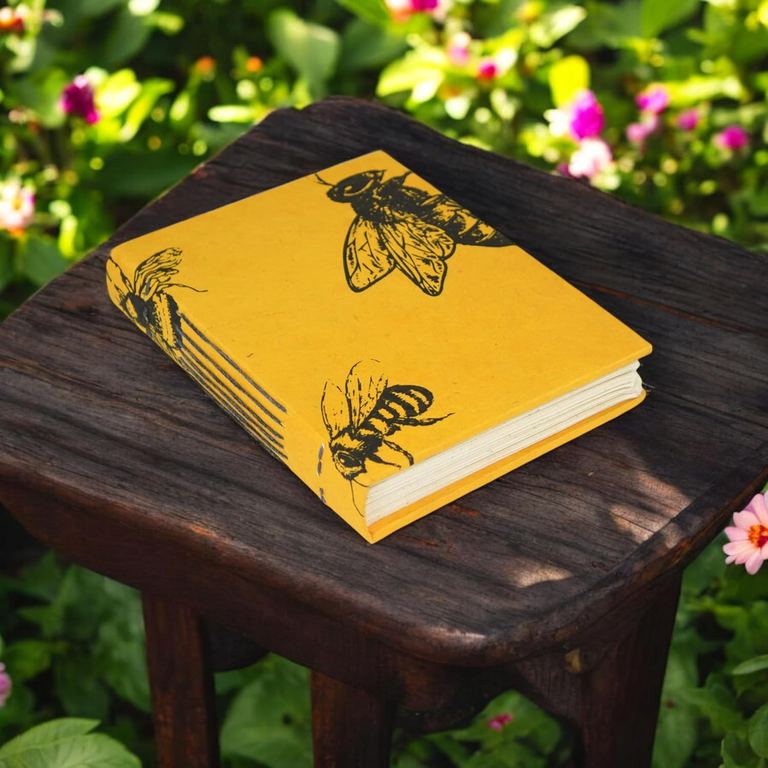
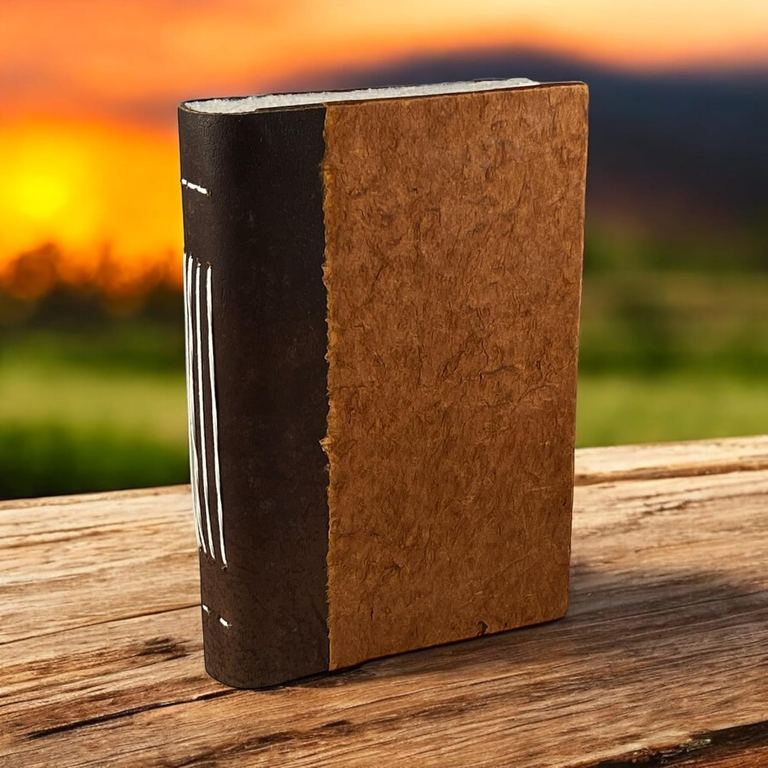
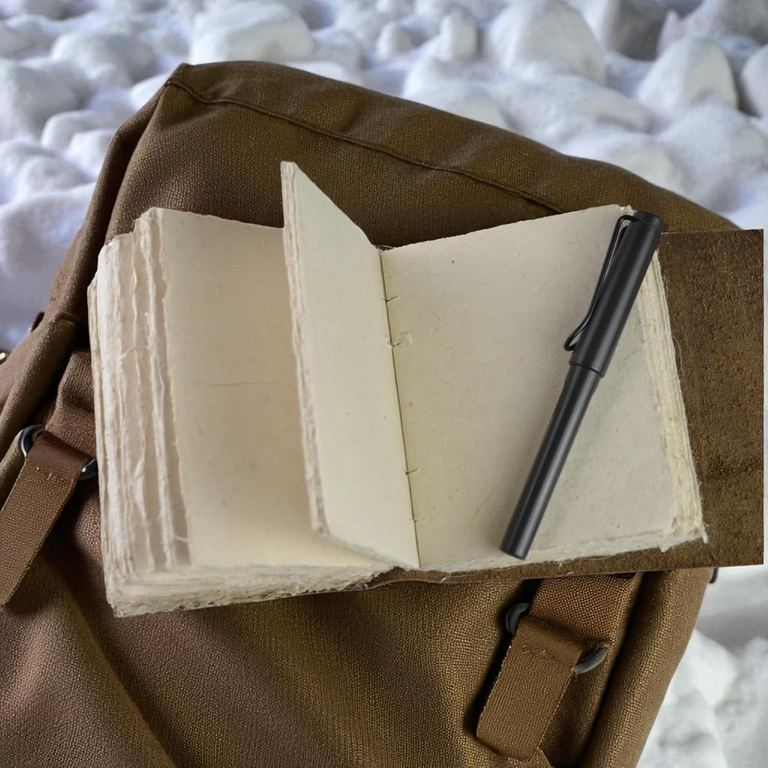
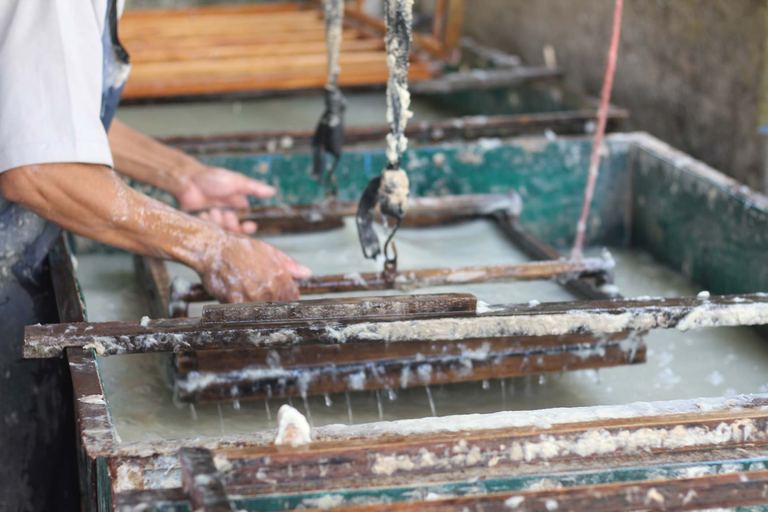
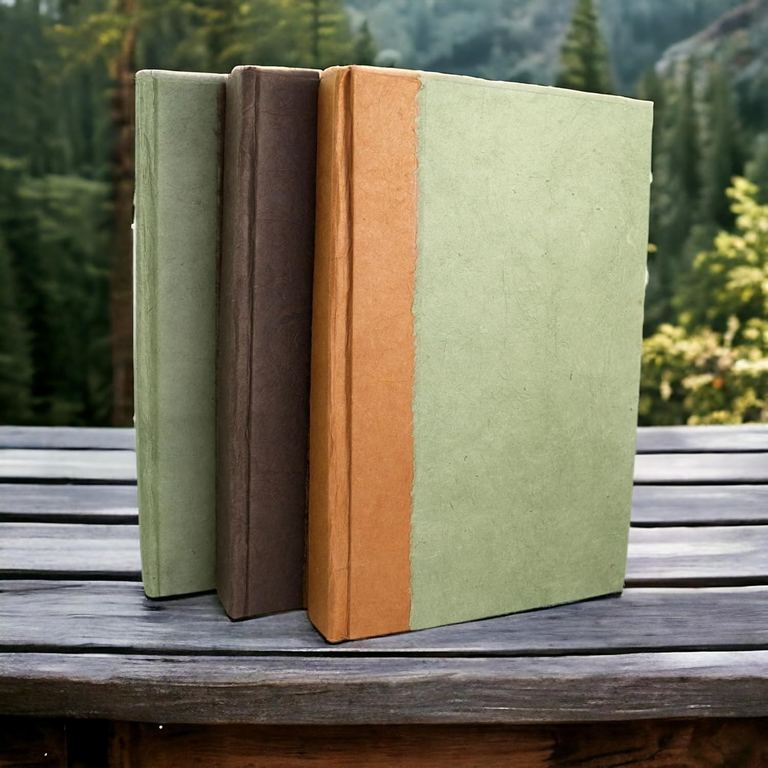
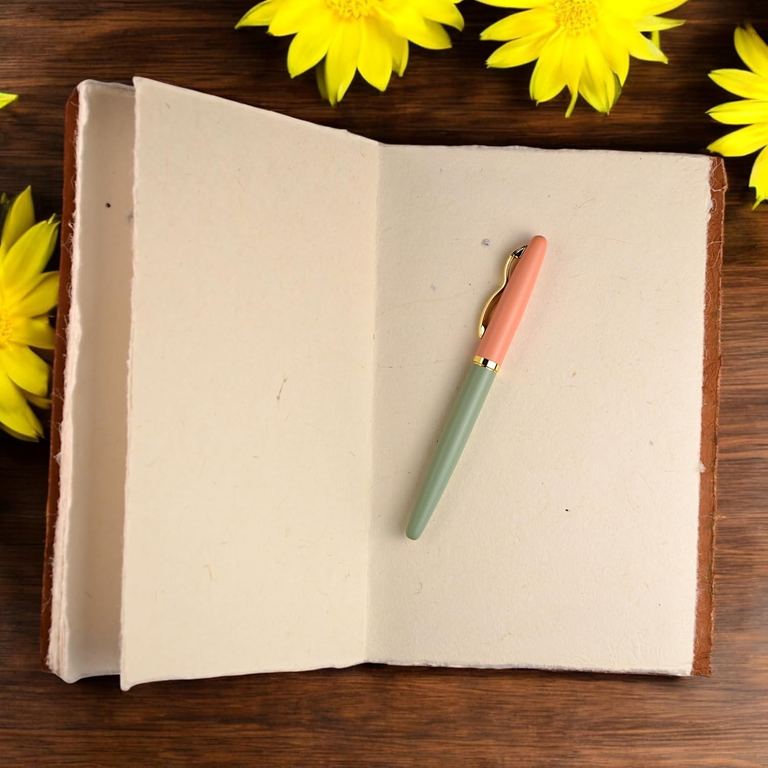
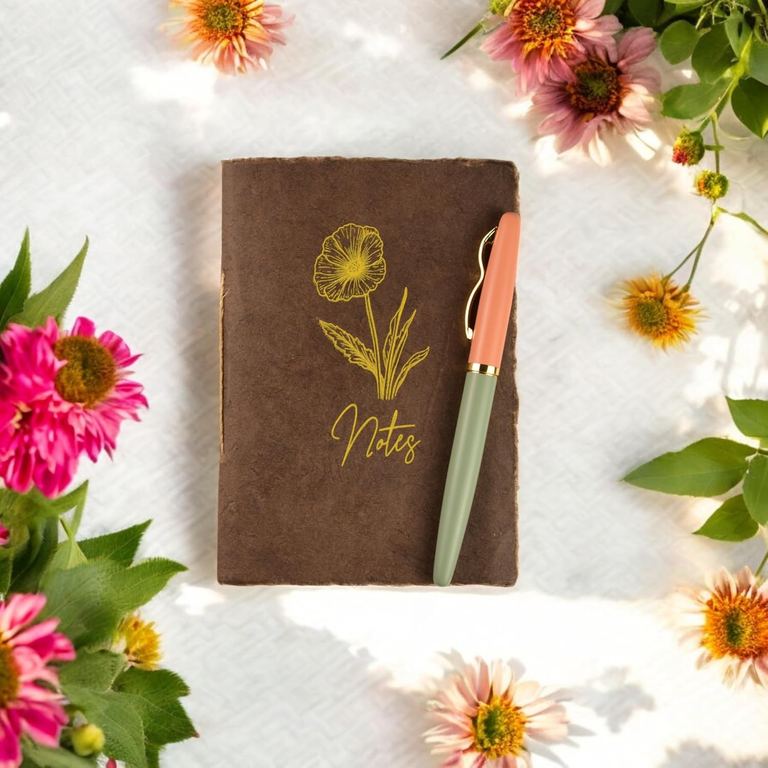
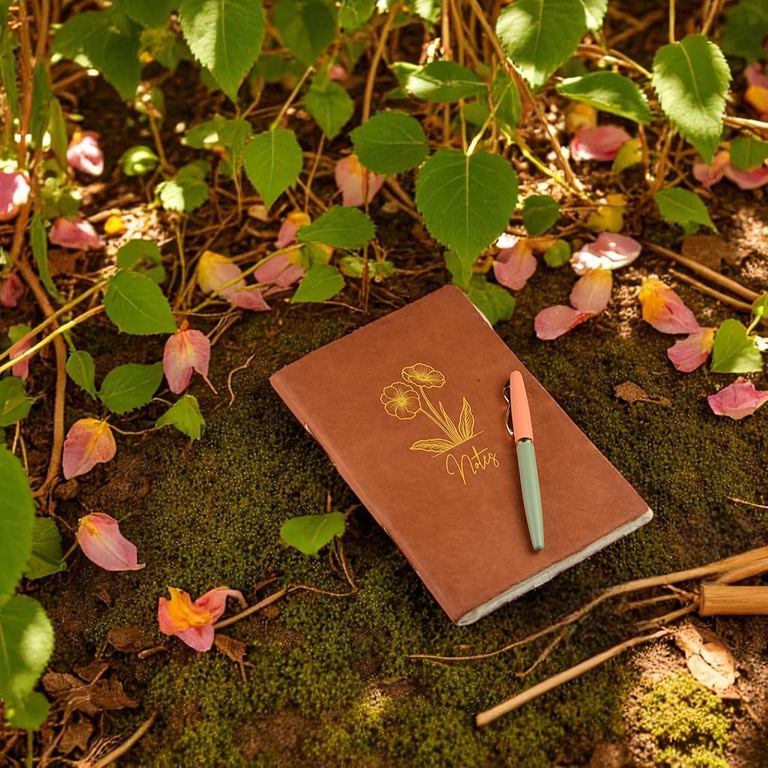
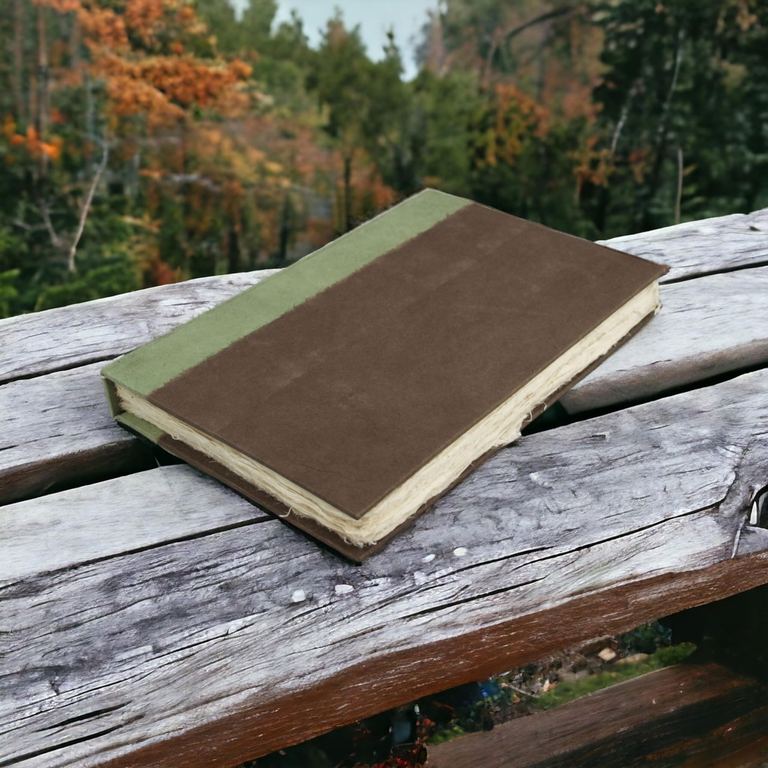
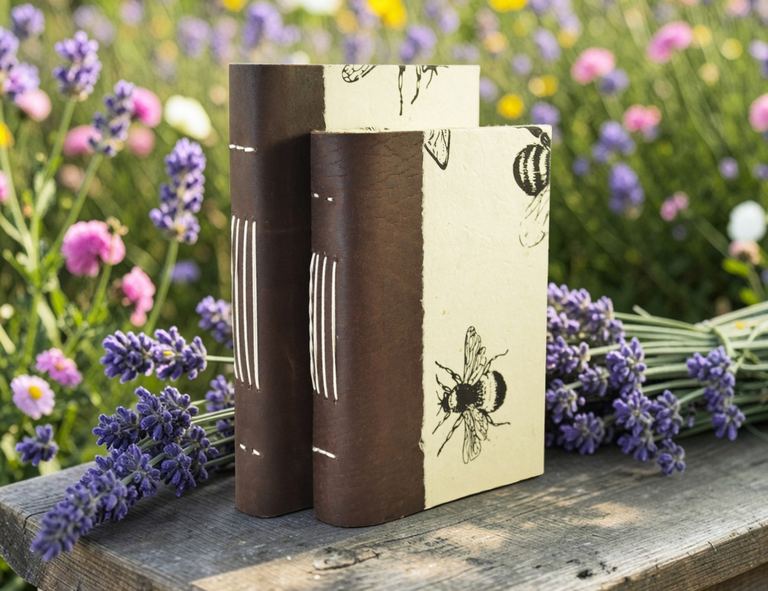
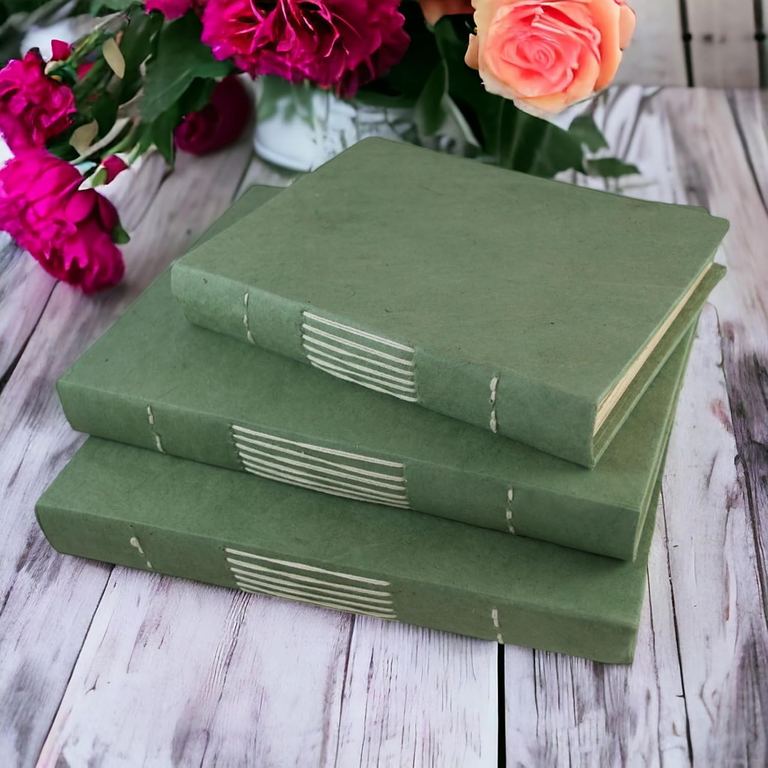
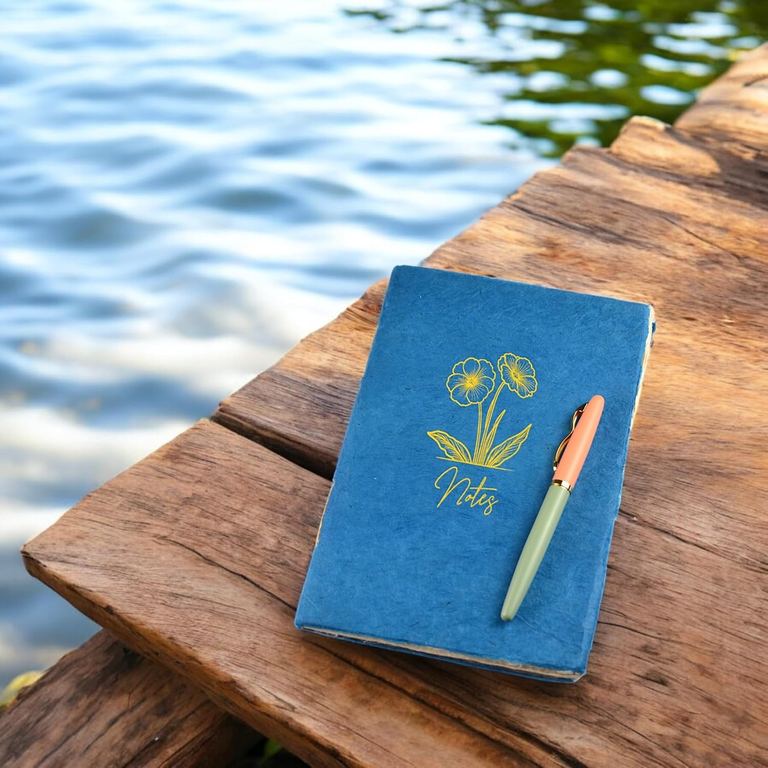
We’ll admit we’re a little biased about the notebook. Writing on handmade paper makes you slow down: the deckle edges, the little fibers in the page, the way the ink settles in. It feels like the words should count, and that helps. But honestly, any notebook you’ll actually open is the right one. (If you’d like to browse ours, here are all the journals.)
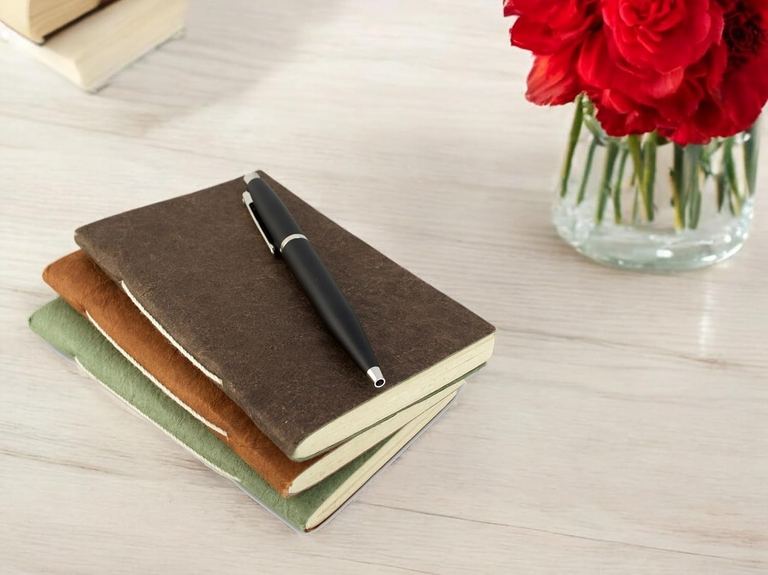
For pens on lokta paper, gel pens are our first pick, and ballpoints and pencils work well too. Our guide to pen types has the details.
How to Start, in Seven Steps
Pick a time you already have
Tie it to something you do every day anyway: the first cup of coffee, the kids’ bedtime, the ten minutes before you turn off the lamp. A journal that lives next to the coffee maker gets written in. One that lives on a shelf gets dusty.
Write the date, then three things
Three is a good number. One feels a little thin, and ten turns into homework. Some days all three will be small, like socks still warm from the dryer. That’s fine. Small is kind of the point.
Be specific
“My family” is nice. “Dad called just to tell me about the deer in his yard” is better. The details are what bring the moment back when you read it a year from now, and they keep you from writing the same list every night.
Add the why
When you have a minute, add a line about why it mattered. “The bus was late, so I got to finish my book.” The why is where the noticing starts.
Don’t skip the hard days
On a rough day the entry might be “The day is over.” That counts. Some of the pages you’ll value most later are the ones where it took real effort to find something good.
Once a week is plenty
Daily is great if you love it. But in a study by psychologist Sonja Lyubomirsky, students who counted their blessings once a week felt a lift, and the ones who did it three times a week didn’t. Her guess was that it turned into a chore. So if Sunday night is all you’ve got, Sunday night is enough.
Read back now and then
Every month or so, flip back through. It’s a bit like finding twenty dollars in an old coat pocket, except it’s a whole stack of good days you had forgotten about.
What an Entry Can Look Like
Here’s what a page might look like on an ordinary Tuesday. Short, specific, and done before the coffee gets cold.
Tuesday, October 13
- The first cold morning of fall. Real sweater weather.
- My neighbor brought back the ladder he borrowed in June. Better late than never.
- Twenty quiet minutes with my coffee before anyone else woke up.
Why: I didn’t rush today, and I noticed more.
20 Prompts for Blank-Page Days
Some nights you’ll sit down and nothing comes. Pick one of these and see where it goes. You don’t have to answer in full sentences.
People
- Who made today a little easier?
- Someone who taught you something you still use.
- A friend you could call at two in the morning.
- Something a kid said that made you laugh.
- Who would you like to thank, and haven’t yet?
Little Things
- A smell that makes you happy.
- The best thing you ate this week.
- Something you own that just works, every time.
- A song you keep playing.
- A small comfort you’d miss if it were gone.
Places
- Where do you feel most like yourself?
- Look up from the page. What’s good about where you are?
- A trip you still think about.
- Something outside today: the weather, a bird, the light.
- A place from when you were little that you can still picture.
You
- Something your body did for you today.
- A problem that taught you something.
- A hard time you made it through.
- Something you’re better at than you were a year ago.
- What’s going right, even if it’s small?
Keeping It Going
- Missed a week? Just start again with today. Don’t go back and fill in the empty days. Nobody is grading this.
- Leave the pen in the journal. One less thing to go looking for at ten o’clock at night.
- Make it a family thing. Keep a big journal on the kitchen table and have everyone add a line at dinner. Kids are surprisingly good at this. Mostly they’re grateful for dessert.
- Turn an entry into a thank-you note. Every so often, an entry is about someone who should hear it. Write it on a card and send it. That one does double duty.
Just Start Tonight
You don’t need a new year, a Monday or the perfect notebook. Write today’s date and three good things, and you’ve started a gratitude journal. Come back next week and do it again.
Years from now you’ll have a whole book of good days, written in your own hand. Not a bad thing to have on the shelf.