
Capture your adventure · handmade in Nepal
Nepali Wayfinder
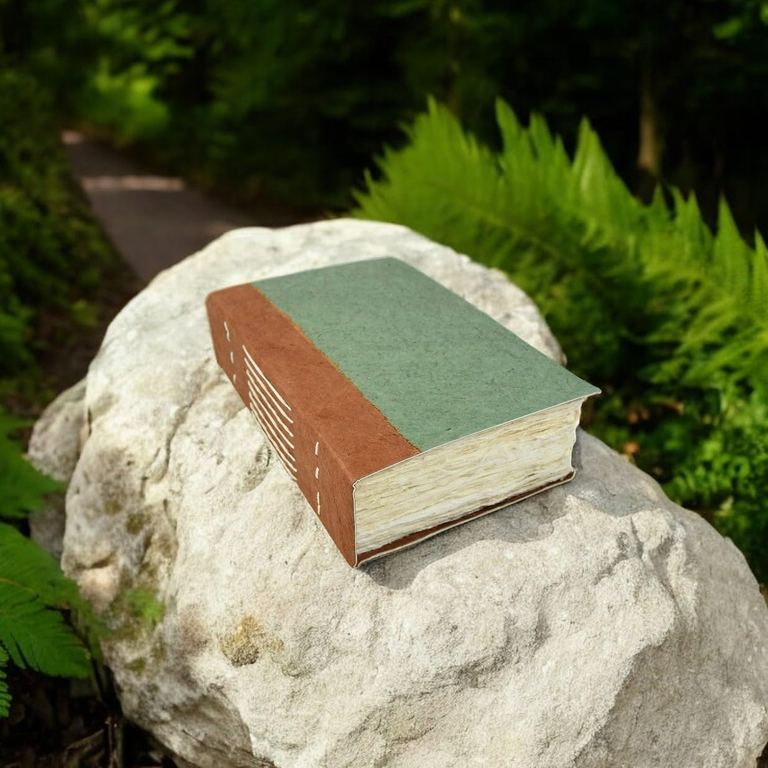
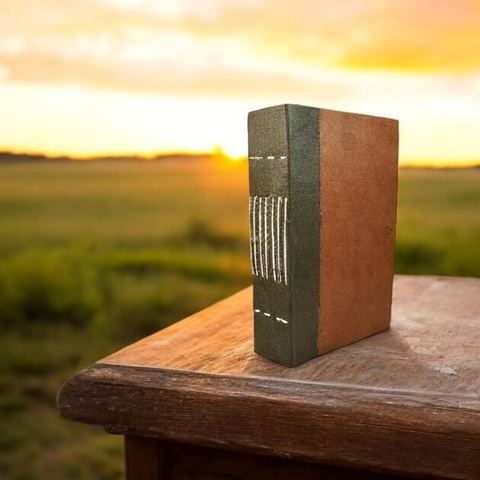
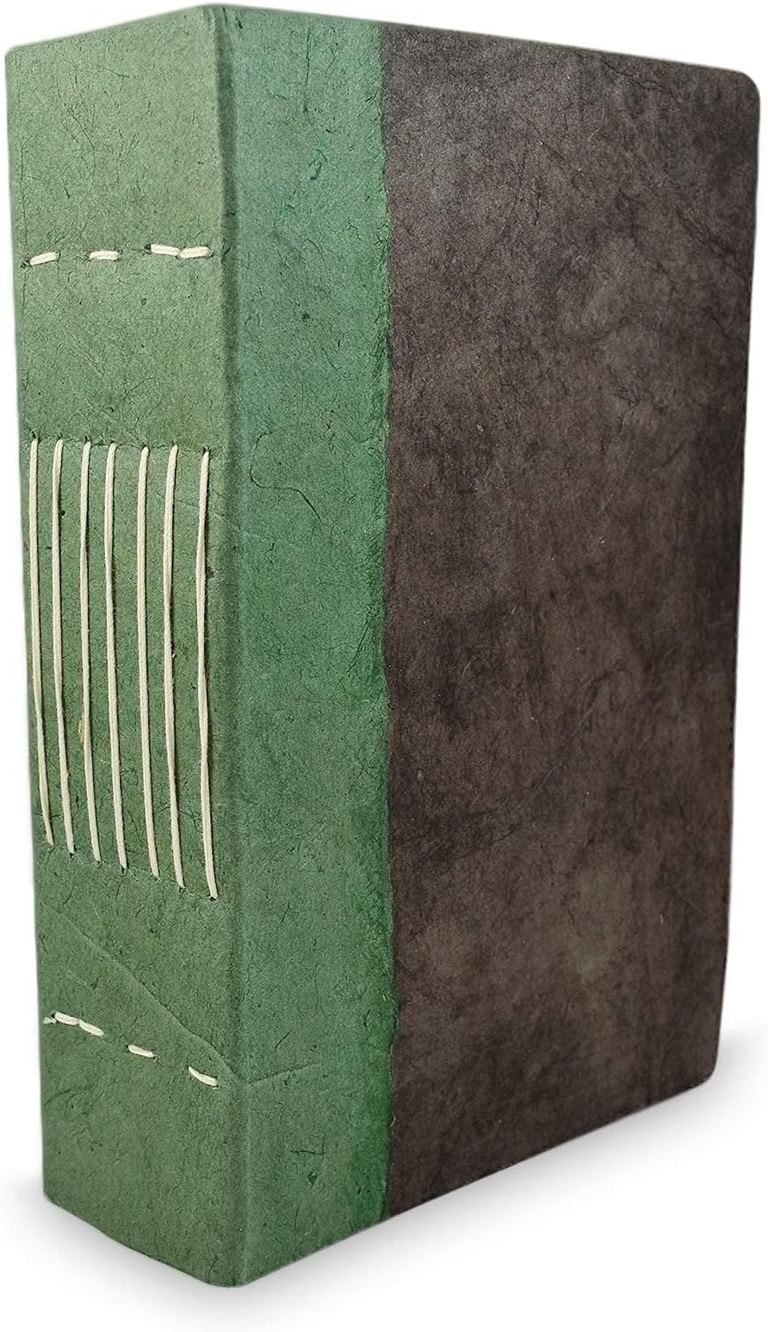
A 5 × 8 softcover journal with 84 deckle-edged pages of our Epic lokta, twice as thick as our standard paper, in a two-tone, vegetable-dyed cover with an exposed stitched spine.
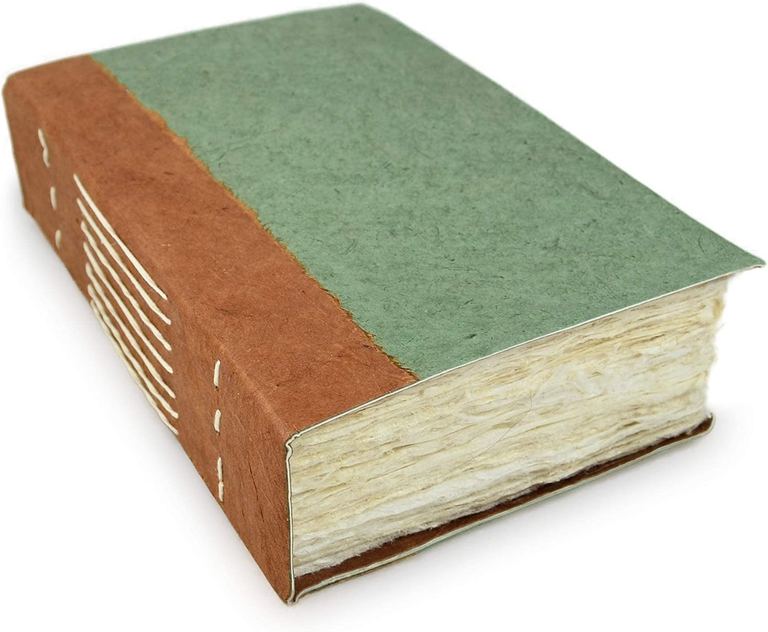
Sage cover, terra cotta spine
- Size
- 5 × 8 in
- Pages
- 84 unlined pages (168 front/back), deckle-edged, bleach- and acid-free
- Paper
- Epic lokta, twice as thick as our standard, handmade in the Himalayas
- Cover
- Softcover of vegetable-dyed lokta in two tones, with an exposed stitched spine
- Made in
- Nepal, following a 1,000-year-old tradition
Three covers, two tones each
Choose your cover
Each cover pairs two vegetable dyes, one for the cover and another for the spine, and every one holds the same 84 Epic pages.
Sage
A green from indigo and pomegranate, with a terra cotta spine colored with cutch wood resin.
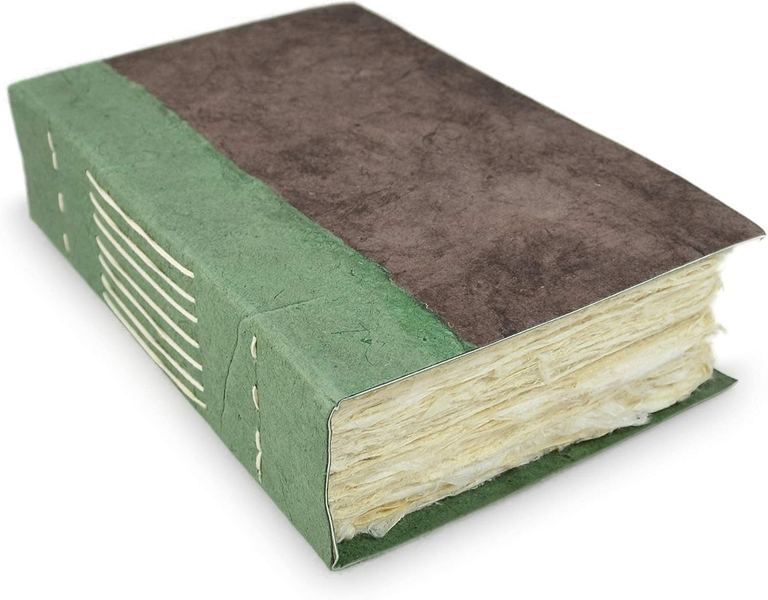
Walnut
The rich brown of black walnut husks, with a green spine of pomegranate and indigo.
Terra Cotta
The warm red of cutch wood resin, with a spine dyed dark brown with walnut husks.
Great for Special Projects
Rightly Sized for Adventure
For the first time in our journals, we're pleased to announce Epic pages. Still created by hand, the Epic pages are twice as thick as our standard pages making them great for thicker inks and special projects.
The Nepali Wayfinder Writing Journal is the perfect way to capture your thoughts, sketches, or adventures all while honoring Nepal's ancient handmade paper-making tradition. The soft cover keeps it light, and at 5 × 8 inches it slips into a bag for the trail.
- Twice as thick
- Epic lokta pages, still made by hand, for thicker inks and special projects.
- A stitched spine
- The binding thread runs along the outside of the spine, part of the journal’s handmade look.
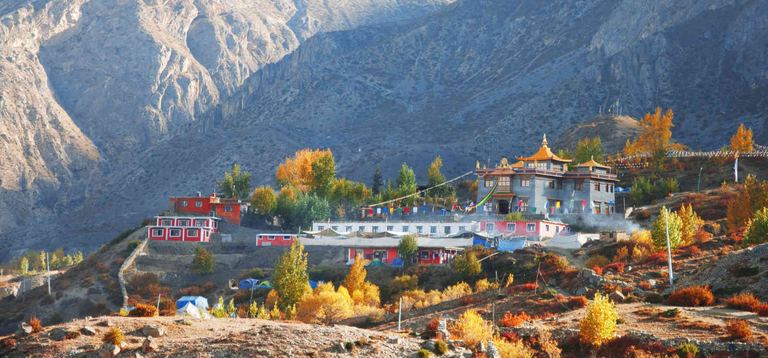
The village of Muktinath, Nepal
Have You Found Your Way?
Writing out your thoughts, troubles, joys, and sorrows can sometimes be what is required to reach clarity. There's something almost meditative when sitting down with pen and paper and letting it all come out through writing.
Writing in it
Which pens work best?
Gel pens first, then ballpoint, pencil and fountain pens with fine nibs. The thick Epic pages stand up well to heavier inks.
Is one side rougher?
Yes. One side shows a hint of the fine screen the paper formed on; the other, the “sun-kissed” side, dries naturally in the sun with a wrinkled texture unique to lokta.
Why does every cover differ?
The vegetable dyes are mixed by artisans, not machines, so the shade varies from batch to batch. No two journals are the same.
Step Back in Time
Go Natural with Lokta
A tradition of over 1,000 years in Nepal, Lokta paper is hand-crafted from lokta bushes which grow on the southern slopes of the Nepali Himalayas between 5,250 and 13,000 feet above sea level.
The paper is not treated with bleach like other papers and is hand made in rural, high altitude villages of Nepal.
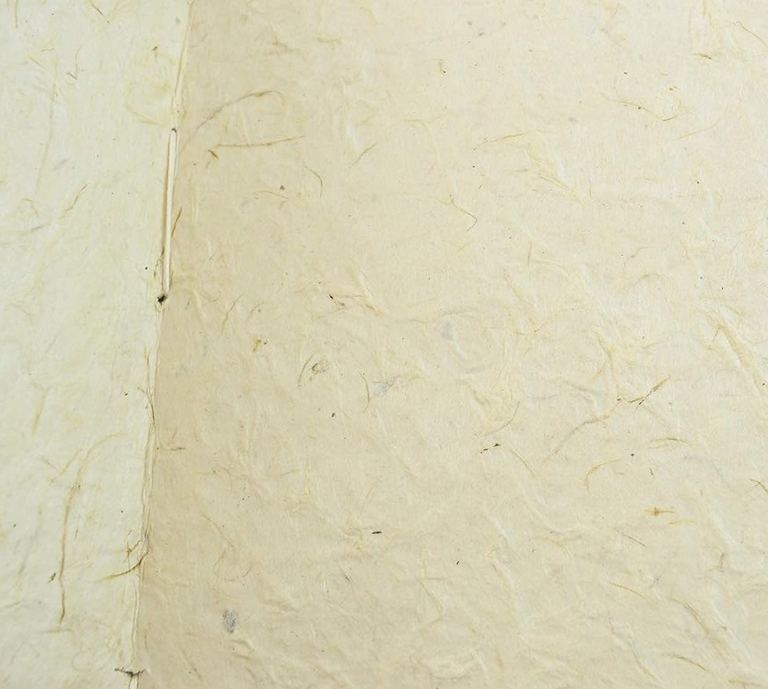
Lokta paper has a beautiful texture containing natural flecks from the bush and can vary slightly in thickness from page to page due to the unique handcrafting process.
The fibrous inner bark of the lokta bush is “cooked” into a pulp then spread on screens and sun-dried. The beautiful texture from the process is characteristic of hand crafted lokta paper.
A perfect note-taking companion at home, work, or for your adventures and journeys around the globe, you’ll love spending time with this journal.
- Tree-Free Paper
- Lokta bushes grow on the southern slopes of the Himalayas of Nepal.
- Vegetable-Dyed
- Natural vegetable-dyes create the beautiful variety of colors in the covers.
- Renewable
- Lokta bushes regrow quickly after being cut, regaining full height in 5-7 years.
- 84 Pages (168 Front/Back)
- Deckle-edge pages add character to this special journal.
- Bleach and Acid Free
- Modern papers are bleached to gain brightness, our paper is bleach free and acid-free and retains its natural color.
Handmade Color
The Colors of Nature
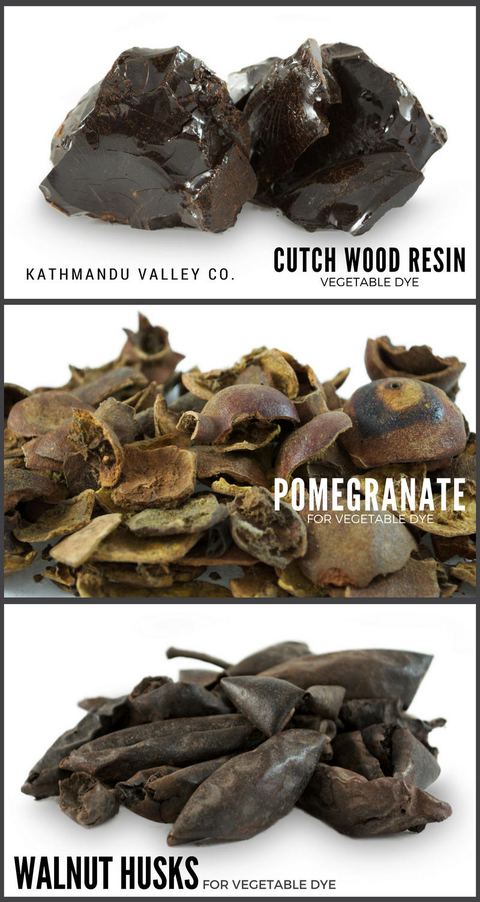
The cover coloring is produced with the traditional and vegetable plant-based dyes that have been used for hundreds of years.
No two journals will be the same. The vegetable dye process is not like using synthetic dyes which can match a specific color number every time.
The vegetable dyes we use are mixed by artisans, not machines, and the colors can vary from batch to batch making each journal a unique creation full of character and individual style.
The sage green journal is made from a combination of Indigo (blue) and Pomegranate (yellow from the pomegranate skins) mixed together creating a unique green color.
The coloring for the Walnut comes from actual walnut husks which produce a rich dark-brown coloring. The walnut husk surrounds and protects the walnut seed and has been used as a natural dye for centuries.
The unique red of the Terra Cotta is made from sap extracted from Cutch wood. The wood is boiled removing the sap which is then dried into a resin to later be used for the coloring process.
Handmade Lokta Paper
Nepali Wayfinder Journal
Include the Nepali Wayfinder vintage notebook in your next adventure.
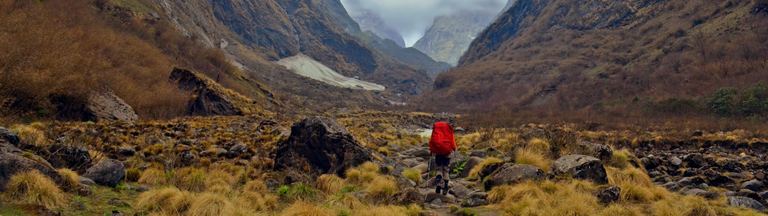
Find your way
Help Support Talented Nepalese Artisans
Thank you for helping to preserve a 1,000 year old tradition in Nepali paper making.