Handmade in the Himalayas
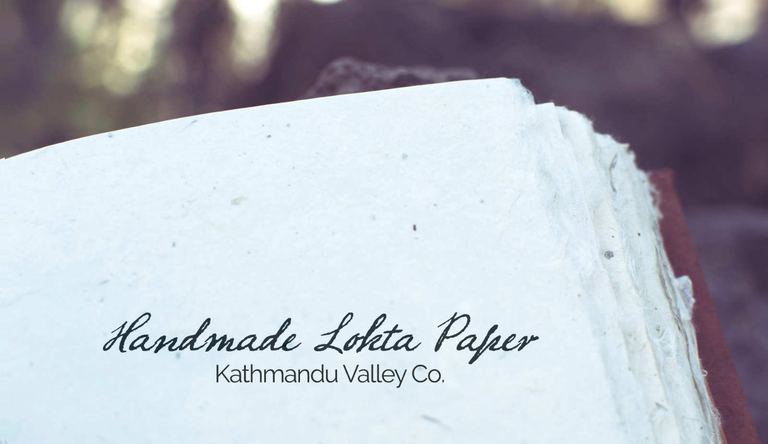
Lokta Paper
Handcrafted in the Himalayas and used anciently for sacred texts, Lokta paper has been a staple of Nepalese artisans for centuries.
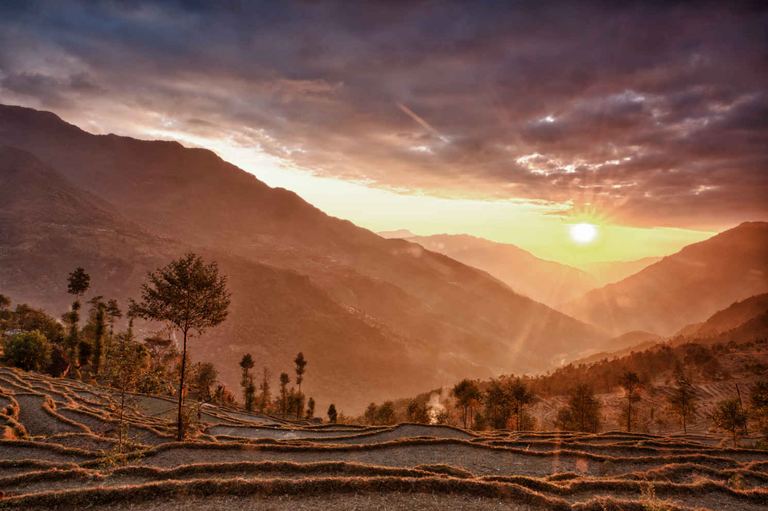
The paper is made from Lokta bushes which grow on the southern slopes of the Nepali Himalayas between 5,250 and 13,000 feet.
When properly cut, the bushes can produce three to eight new, fast-growing shoots making Lokta a renewable, tree-free paper.
- 1,000+
- years of Nepali paper making
- 5,250–13,000 ft
- where the lokta bush grows
- 3–8
- new shoots from every good cut
- 100%
- lokta, tree-free and acid-free
A Treasured Practice
A Thousand-Year-Old Tradition
The oldest surviving Lokta paper is a religious text, a copy of the Karanya Buha Sutra Buddhist text estimated to be 1,000 to 1,900 years old.
Lokta paper has been produced using similar methods for centuries and that tradition continues today.
From Bush to Sheet
How Lokta Paper Is Made
These photographs follow lokta from the hillside to the finished sheet. Lokta strips are cooked into a mash and then spread by hand over boxed screens and set to dry in the Himalayan sunshine, creating one of the world’s finest handmade papers. The methods are close to the ones Nepali papermakers have used for centuries.
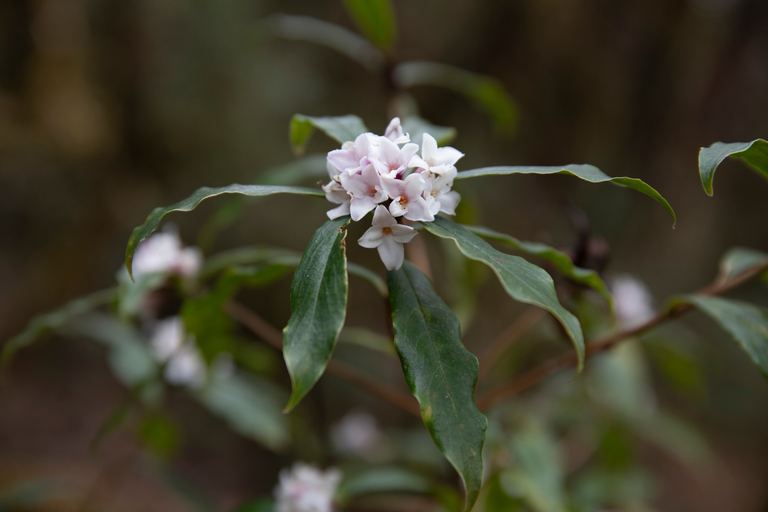
The lokta bush, in flower on a Himalayan hillside Step 1: The lokta bush
The paper is made from Lokta bushes which grow on the southern slopes of the Nepali Himalayas between 5,250 and 13,000 feet. Daphne bholua and Daphne papyracea are the botanical names for the lokta bushes most commonly used in paper making.
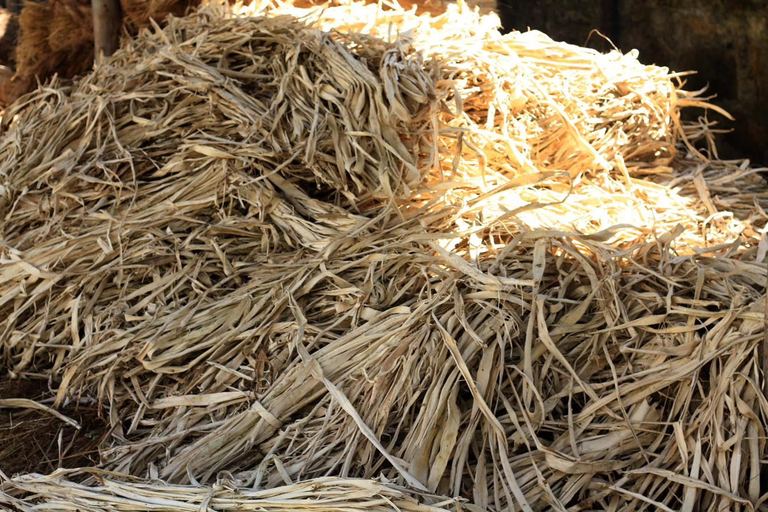
Bundles of dried lokta bark, stripped from the cut stems Step 2: Cut, stripped and dried
Lokta bushes are not destroyed when harvested. A good cut from a harvested bush can regrow new shoots that can reach full height (nearly 15 feet) in about 5 years. When properly cut, the bushes can produce three to eight new, fast-growing shoots making Lokta a renewable, tree-free paper. Only the inner bark is used: it is peeled from the stems, dried and carried to the paper-making villages.
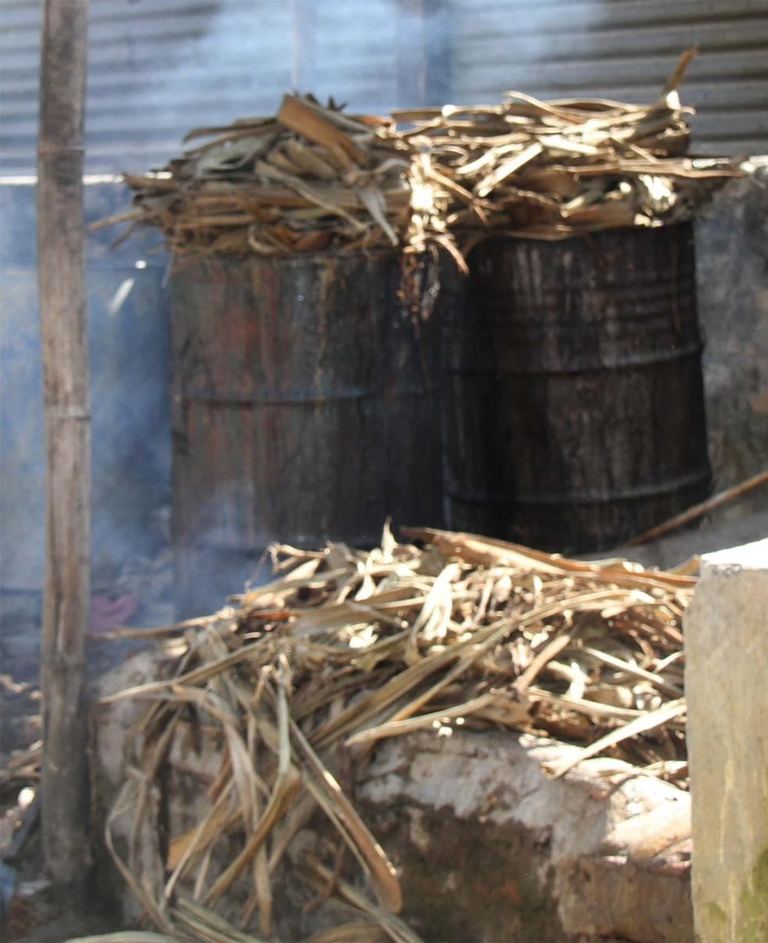
Lokta bark cooking in barrels over a wood fire Step 3: Cooked in vats
The strips are carried from the high altitude villages of Nepal using the traditional paths and pack animals for transport. Lokta fibers are cooked in vats to soften and create a pulp that is spread over wood-framed screens and set to dry in the sun. The bark softens as it cooks and the fibers begin to separate. No bleach is used.
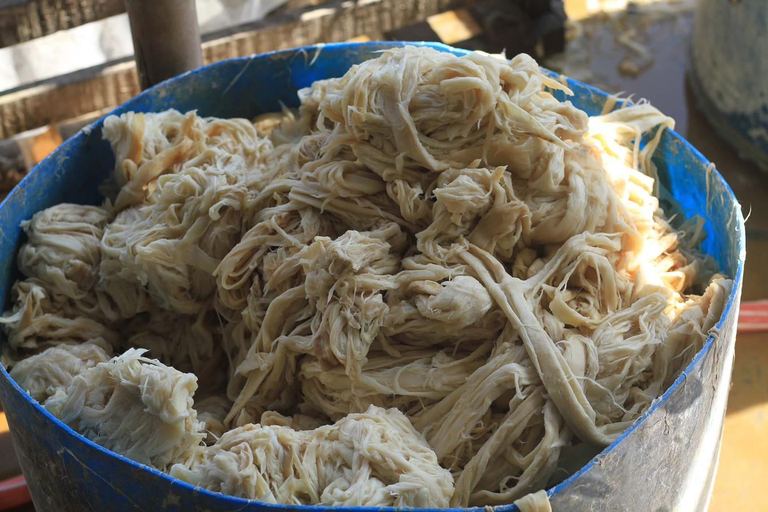
Cooked lokta fibers, rinsed and cleaned by hand Step 4: Cleaned and beaten into pulp
The cooked bark is rinsed, picked over by hand and beaten until the fibers separate into a soft mash. The small pieces of outer bark that remain become the natural flecks you see in the finished sheet.
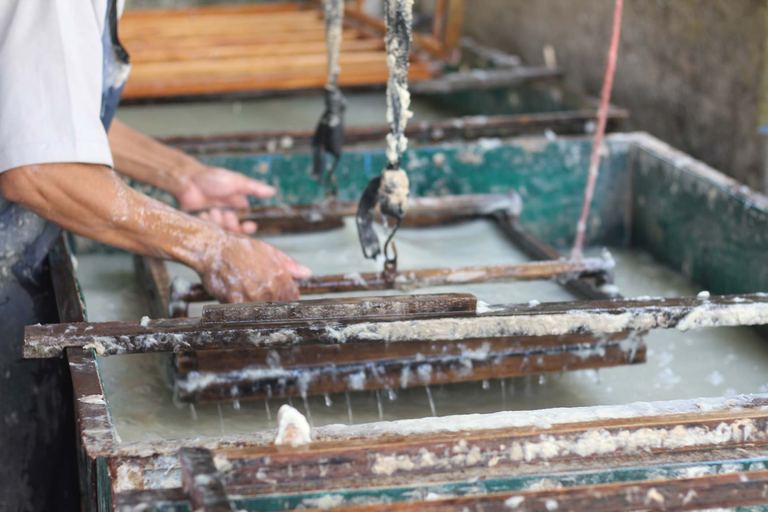
A papermaker spreading lokta pulp over a boxed screen in the vat Step 5: Spread by hand over screens
The pulp is spread by hand over boxed, wood-framed screens, one sheet at a time. The papermaker’s hands decide how evenly the fibers settle, so no two sheets are exactly alike.
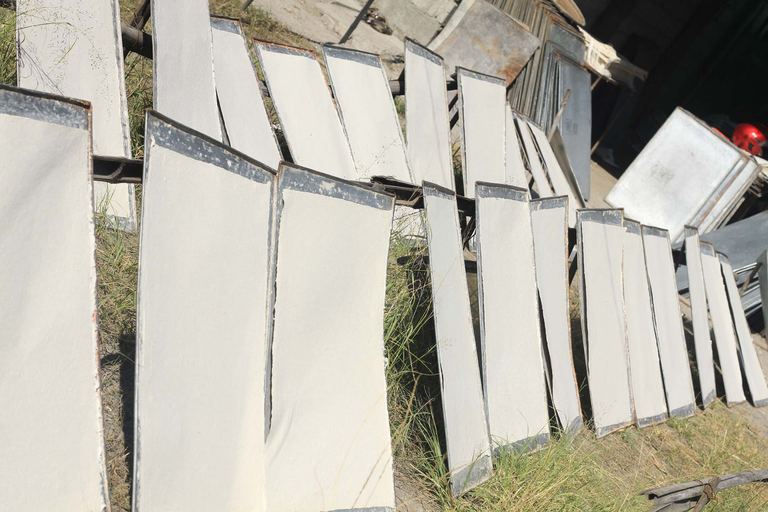
Screens of fresh lokta paper drying in the sun Step 6: Dried in the Himalayan sun
The screens are set out to dry in the sunshine. Sometimes metal sheets (pictured) are used to help achieve a special smoothness effect for some of our production. As the water leaves, the fibers bond into a single sheet. Remnants of the screen pattern can be seen upon close inspection for the screen-dried lokta and produces a screen side and “sun-kissed” side.
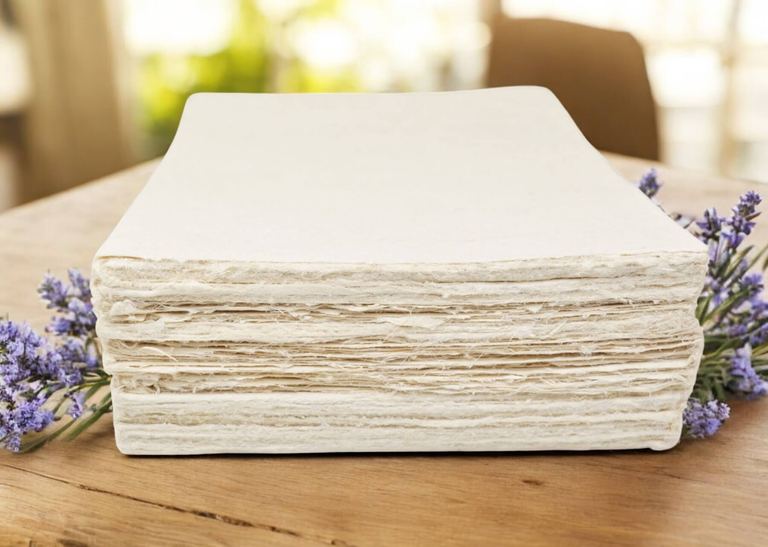
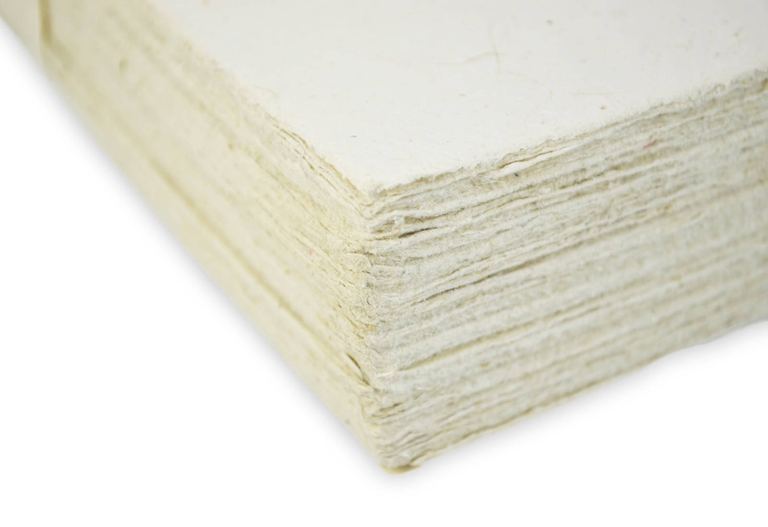
A stack of finished lokta card stock with feathered deckle edges Step 7: The finished sheet
Lokta paper has a beautiful texture containing natural flecks from the bush and can vary slightly in thickness from page to page due to the unique handcrafting process. The fine texture from the screens can be seen and felt in the finished product adding to the beauty and uniqueness of the paper. Where the pulp thinned out against the frame the edge stays feathered: the deckle edge.
Tree-Free Paper
What Makes It Different
No trees are cut for lokta paper, and it is not bleached.
- No bleach
- Unlike most of today’s commercial papers, our lokta paper is not bleached.
- Acid-free
- Lokta paper is acid-free and is widely regarded as one of the world’s finest hand-made papers.
- 100% Lokta
- No regular or recycled paper is mixed in: our paper is 100% Lokta.
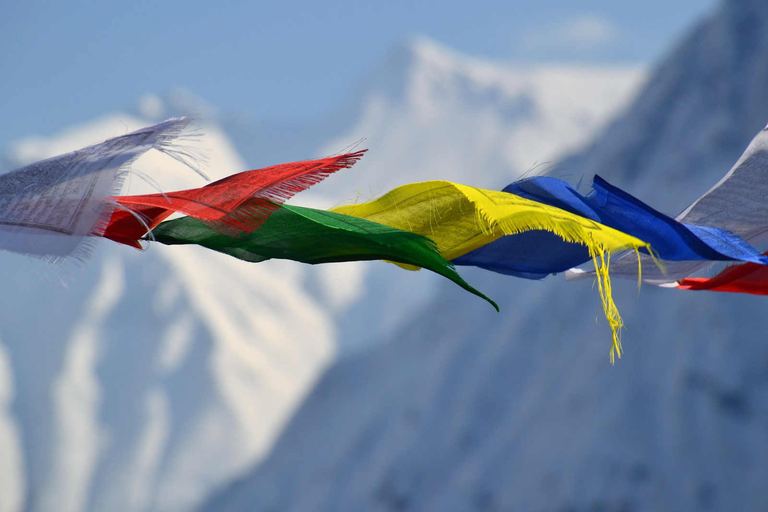
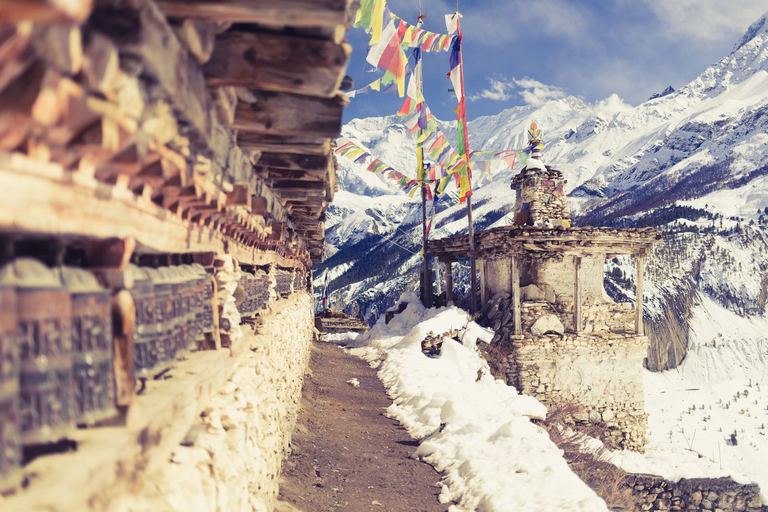
Prayer flags in the Himalayas
Made in Nepal
Also called Nepali Paper, Lokta paper is used for many official Nepali government documents.
Lokta paper is fibrous and is more resistant to tearing than modern papers. The durability makes it perfect companion for the rugged terrain of Nepal from which the paper comes.
Two Sides of the Same Paper
Two Unique Sides
Each sheet of lokta paper has a smooth side and a rougher, more naturally formed side called the sun-kissed side. This is due to the paper forming on the boxed screens.
- The screen side
- One side of the paper forms against the screen used to hold the fiber pulp. Upon close inspection you can often see the fine pattern from the screen.
- The sun-kissed side
- The other side, the sun-kissed side forms naturally as the fibers settle, creating the natural texture that gives lokta paper its unique feel.
Edge Styling
Deckle or Clean-cut
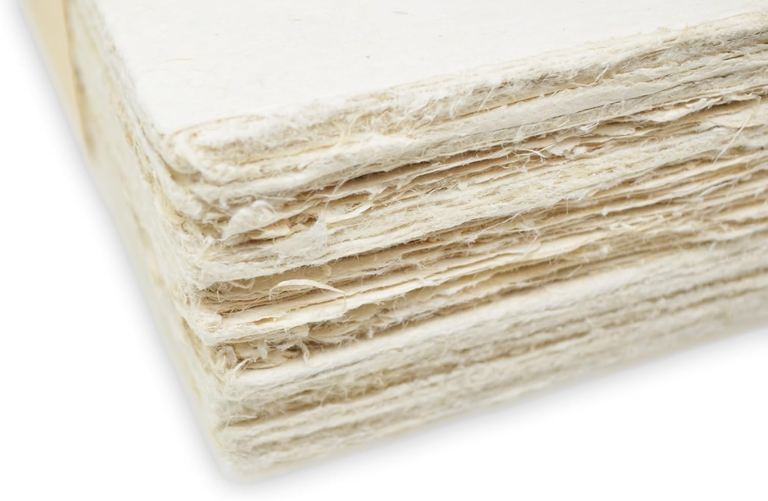
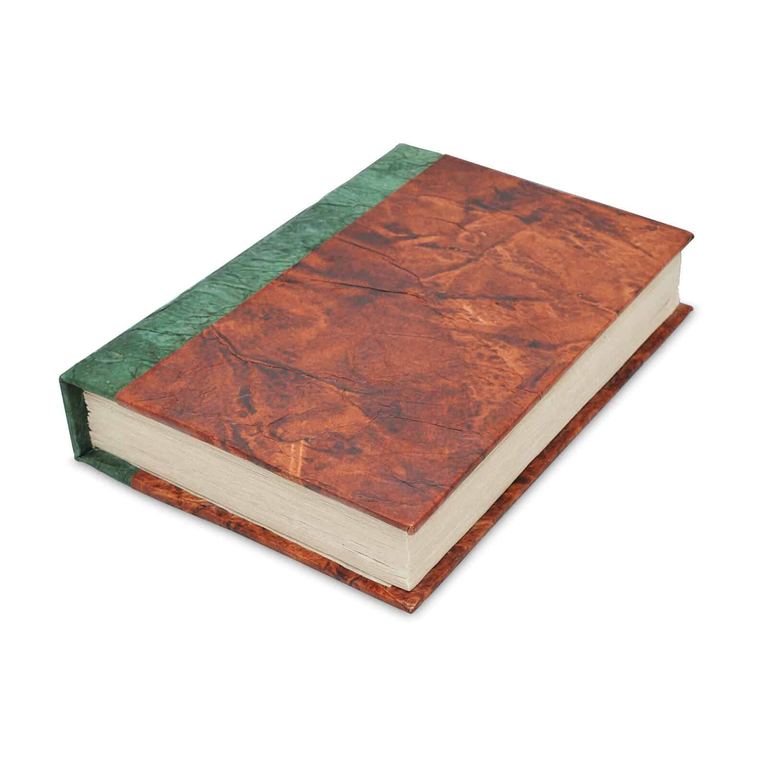
The edges of the paper can be clean-cut with uniform edges much like a regular notebook or book.
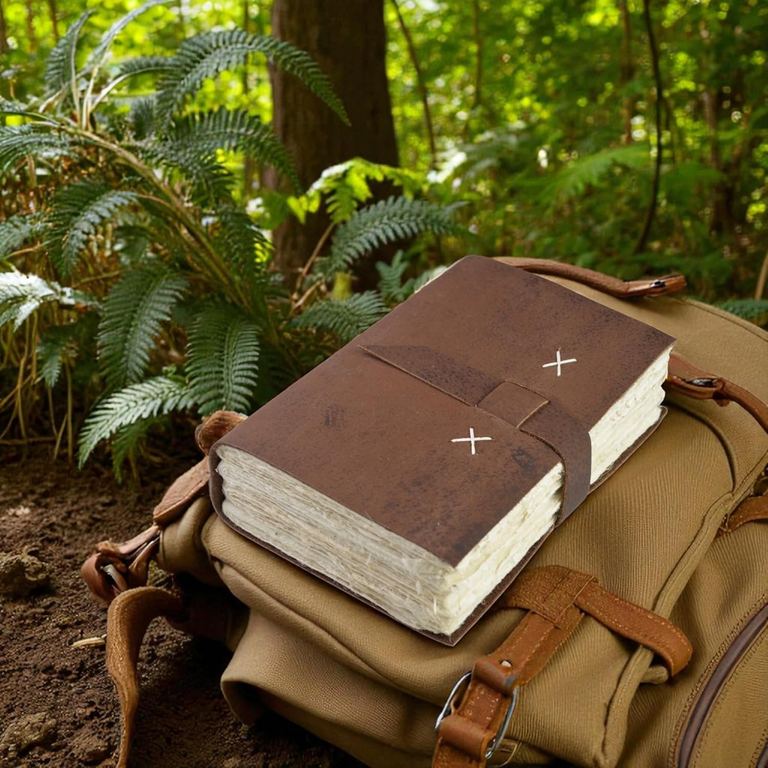
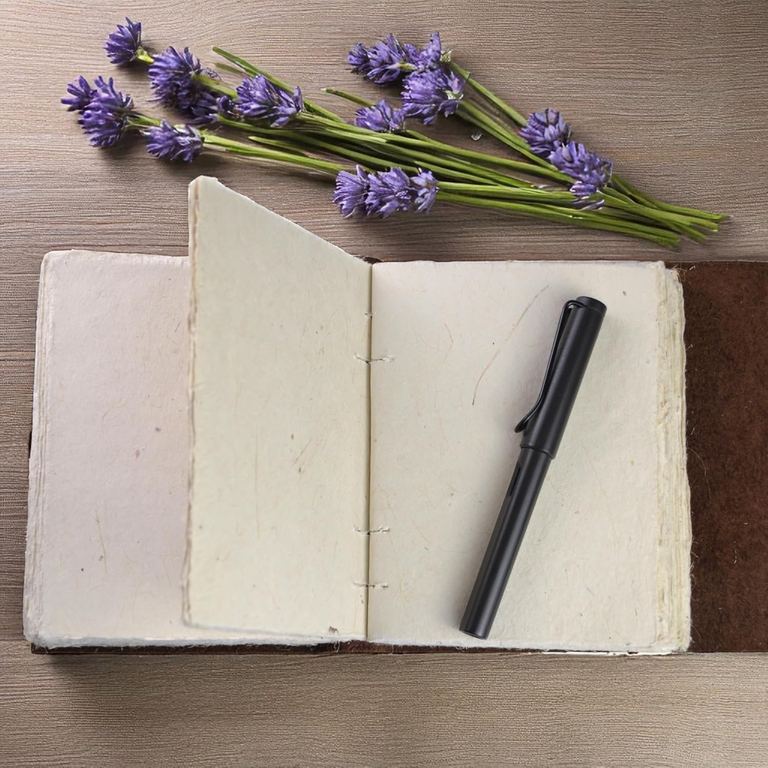
The paper can also be left with a “deckled edge” (shown here on the Nepali Traveler) which gives a much more natural feel to the soft edges of the paper.
For example, the Nepali Companion Notebooks and Eco Clean-cuts sport clean-cut edges. The Leather Everest Explorer, Nepali Collector, and Nepali Traveler have the deckle edge.
For Laser and Inkjet Printers
Handmade Printer & Craft Paper
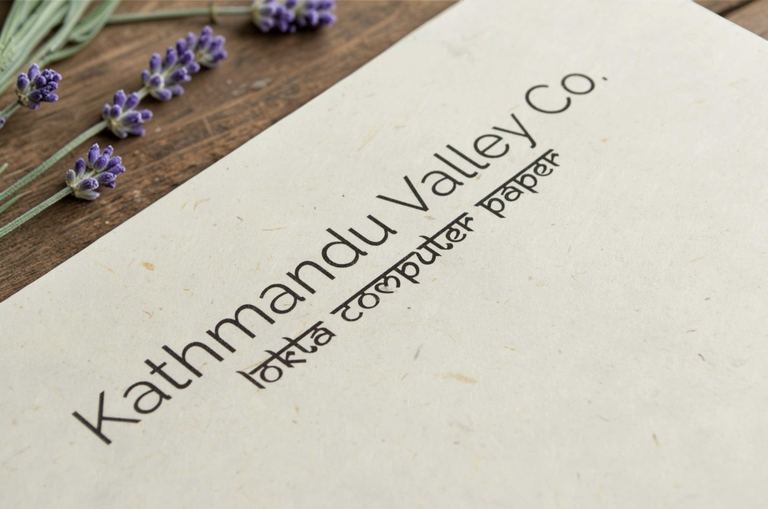
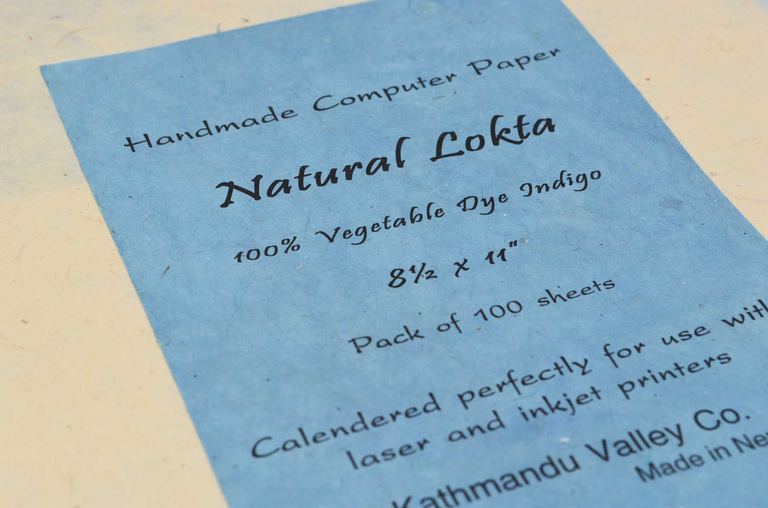
Not for journals, we also offer Lokta paper cut and calibrated to 8.5 x 11 inches for laser and inkjet printer paper as a natural, tree-free alternative to modern papers.
Natural color and natural dyes
The computer paper comes in the traditional natural color, but is also handy for crafts, origami or scrapbooking projects with our vegetable and natural dyes producing saffron-dyed lokta printer paper from natural saffron.
View our list here of complete colored lokta printer & craft paper.
Continue the Adventure
Carry it With You
Used by writers, artists, sketchers, journalers for creative projects or for official records, Lokta paper is a proud tradition unique to Nepal.
Take your journal with you on your travels whether it be to Everest, the Antarctic, and everywhere in-between, or keep it safe at home as a keepsake and record of your daily adventures. Kathmandu Valley Co. journals carry a rich tradition we know you’ll love and enjoy.
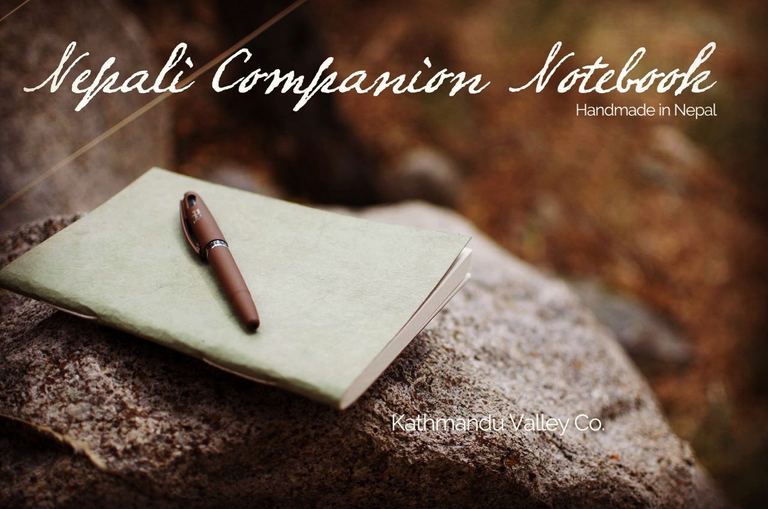
View Selection
View our Handmade Lokta Paper Products
Below is a sampling of some of our popular creations.
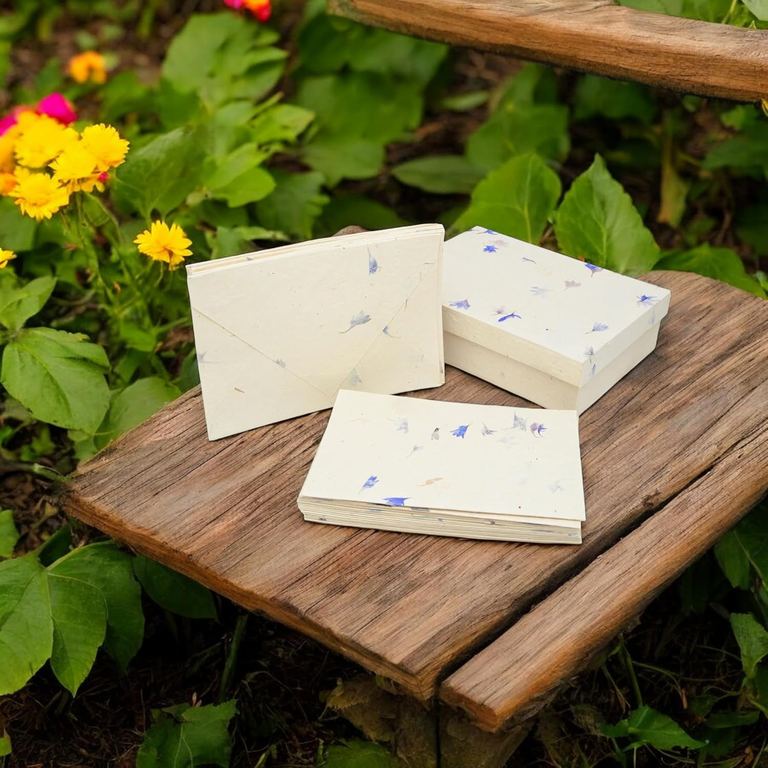
Cherish Cards
Greeting Cards & Envelopes stylized with real flower petals from Nepal.
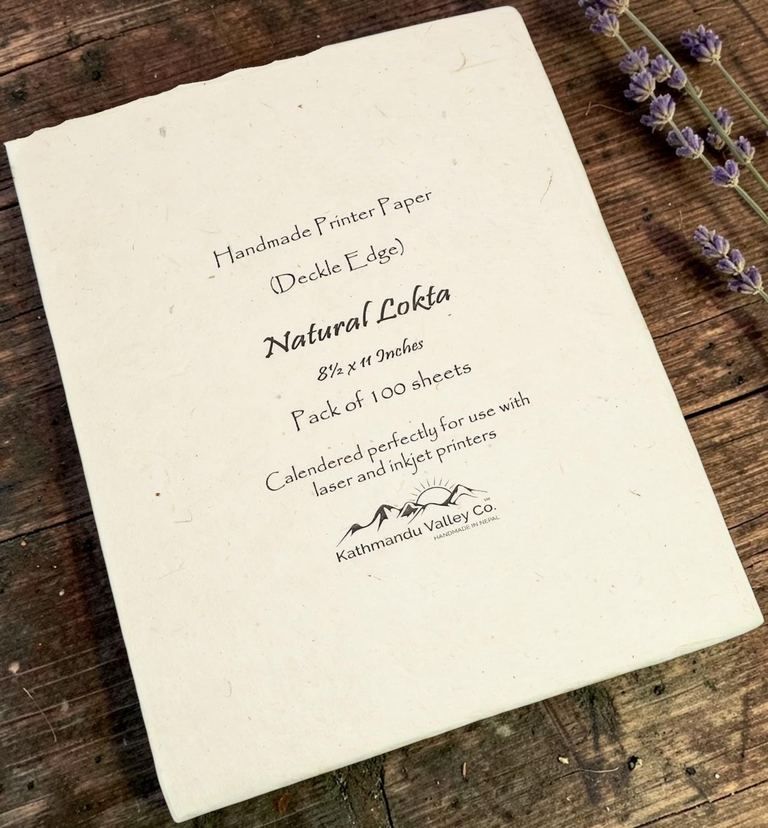
Printer Paper
Standard 8.5x11" paper made for inkjet and laser printers. Offers many colors to choose from made with natural dye coloring.
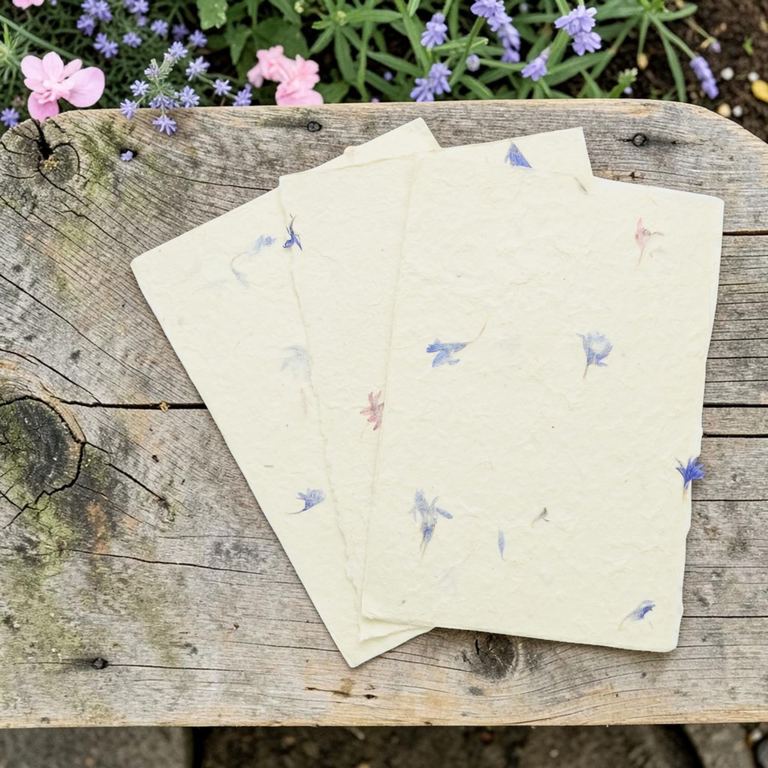
5x7" Lokta Card Stock
5x7" lokta card stock paper great for wedding invitations, announcements, thank-you notes, and special stationery projects.
More from the valley
8.5x11" Lokta Card Stock
8.5x11" lokta card stock paper great for special art projects, scrapbooking, invitations, and printing. Available in Traditional or Deluxe (washi) lokta, with deckle edges.
Gift Wrap
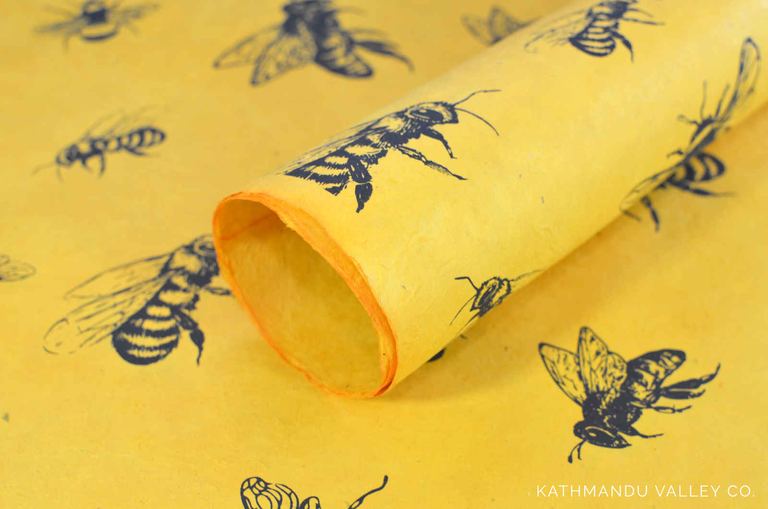
Make your gift extra special with handmade wrapping paper that is reusable and tree-free. Available with printed designs or solid colors.
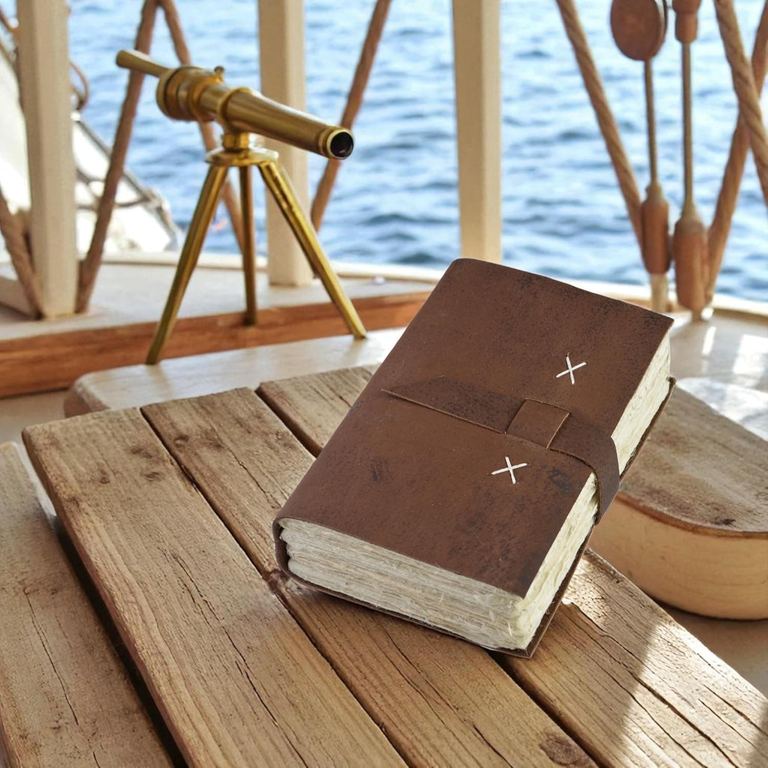
Everest Explorer
Water Buffalo Leather with four sizes to choose from.
Nepali Traveler
Available with a Water Buffalo Leather vegetable-dyed cover or the new Nature's Wool Edition.
Nepali Eco
With the choice of standard or our new Epic paper which is two times as thick as our standard paper.
Help Support Talented Nepalese Artisans
Thank you for helping to preserve a 1,000-year-old tradition in Nepali paper making!